

How Glazing Percentage Affects Frozen Whole Tilapia Import Costs
Invoice prices for frozen whole tilapia often mislead commercial importers. Glazing percentage directly alters your real net cost per kilogram of usable fish. You pay a supplier for nominal gross weight, but excess ice glaze decreases your actual yield. Furthermore, this added water weight increases shipping costs. You pay ocean freight rates and ad valorem customs duties on frozen water rather than real product. Every extra percent of ice glaze inflates your total landed expense and squeezes your profit margins. This guide provides net-yield mathematical formulas, quality trade-off analysis, and contract optimization strategies for commercial importers. Master these calculations today to protect your business margins during supplier negotiations.
Key Takeaways
- Calculate the net cost of fish to reveal true supplier prices.
- Choose a 6% to 10% ice glaze for maximum product protection.
- Lower ice weight reduces ocean freight fees and import tariffs.
- Set strict net-weight contract terms to avoid costly regulatory penalties.
Glazing Dynamics and Net Weight Calculations
Commercial seafood procurement requires a clear understanding of product weight definitions. Gross nominal price represents the rate you pay per kilogram of gross weight on the invoice. This total weight includes both the fish and the protective ice shell. Conversely, net yield cost reflects the actual amount you pay for usable fish flesh after melting the ice layer. Understanding this distinction prevents costly financial mistakes.
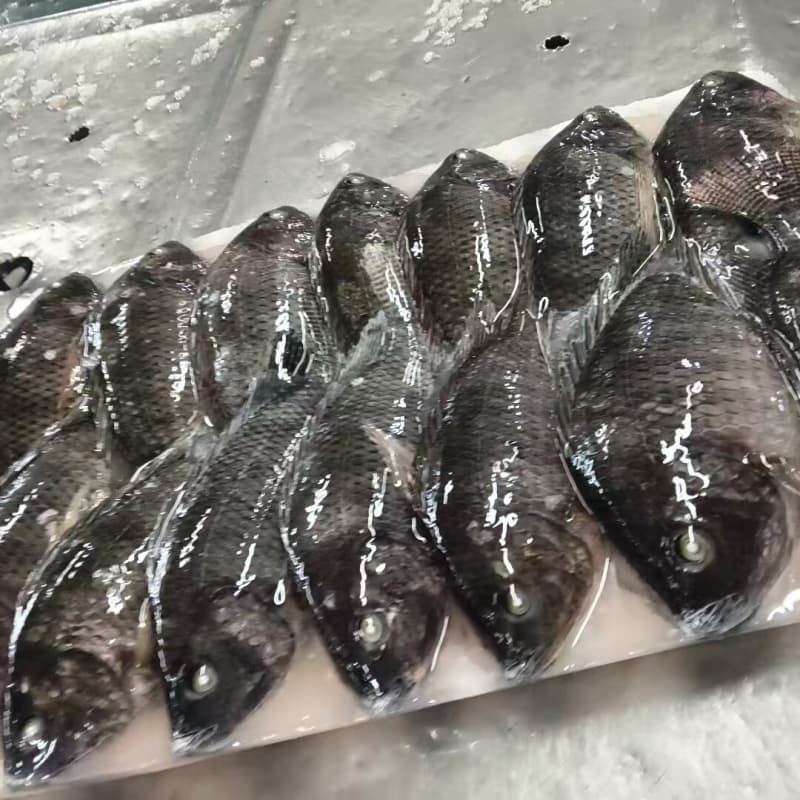
Gross Weight vs. Net Yield in Frozen Whole Tilapia
Suppliers apply an ice protective layer to shield seafood during cold chain storage. A precise glaze coating isolates the fish skin from direct air contact. According to the EasyFish glazing percentage article, importers must balance protective ice coverage against unnecessary water weight.
| Factor | Recommended glaze | Supporting detail |
|---|---|---|
| Adequate protection | 6–10% of fish weight | Prevents dehydration and oxidation/freezer burn during storage. |
| Long ocean transit / warm climates | 10–12% | Slightly higher glaze buffers against ice sublimation during long shipments. |
| Whole fish practice | Slightly above fillet glaze, usually under 10% | Glaze also reaches cavities, so whole tilapia may need a little extra but not excessive amounts. |
| Practical upper limit | About 12% | Above ~12%, extra glaze adds weight without meaningful additional protection and can reduce customer value. |
An optimal ice layer safeguards quality without inflating billing metrics. However, unvetted suppliers sometimes apply excessive glaze levels up to 60%. These excessive water levels add zero physical protection while severely reducing commercial returns. This practice shifts your purchasing spend from real protein to frozen water. You can partner with a qualified custom glazing tilapia supplier or an experienced frozen tilapia exporter to establish correct specifications. Proper planning ensures product stability without paying excess cash for useless ice.
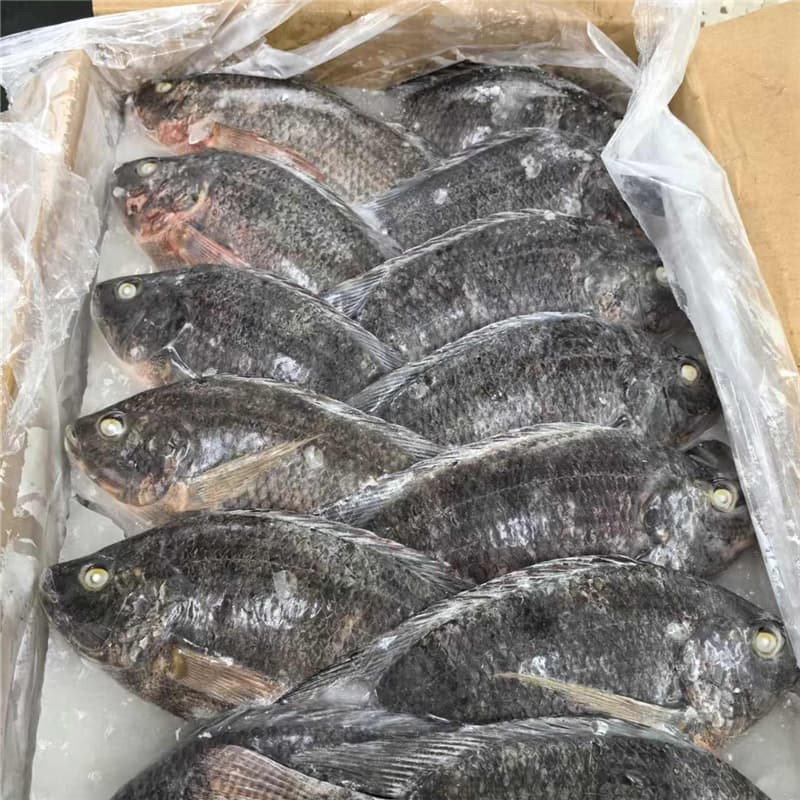
Formula for Calculating True Net Cost Per Kilogram
Evaluating true landed expense demands a reliable mathematical calculation. You cannot rely solely on the raw invoice price when purchasing frozen seafood. Accurate math helps you identify true value during vendor evaluations. You must convert gross pricing into effective net yield cost using a simple formula: true net cost per kilogram = gross invoice price per kilogram / (1 - glaze percentage expressed as a decimal).
For example, assume a supplier offers frozen whole tilapia fish at a gross invoice price of $2.00 per kilogram with a 20% ice glaze. Convert the 20% glaze into a decimal value of 0.20. Subtract 0.20 from 1 to calculate a net product yield factor of 0.80. Divide the nominal price of $2.00 by 0.80. The calculation yields a true net cost of $2.50 per kilogram of usable fish.
Now consider a lower glazing scenario for the same target shipment of frozen whole tilapia. A supplier offers the fish with a standard 10% glaze at a gross invoice price of $2.10 per kilogram. Convert 10% into 0.10, yielding a net product factor of 0.90. Divide $2.10 by 0.90 to determine a true net cost of $2.33 per kilogram. The higher initial nominal quote actually delivers a lower effective cost per usable kilogram. Calculating exact net yields reveals hidden supplier markups and protects your profit margins.
Direct Impact on Freight, Duties, and Logistics
Paying Freight Rates on Transported Ice
International ocean carriers calculate shipping charges based on total gross container weight. Every single kilogram of excess protective glaze adds physical weight to your ocean freight container. You pay standard container transport charges on frozen water weight. Ocean freight carriers charge the exact same freight rate per gross metric ton for ice glaze as they charge for prime commercial protein. Ocean carriers do not offer shipping discounts for ice weight. Excess ice weight inflates landed costs without providing any additional sales revenue.
Excessive ice glazing directly reduces total usable inventory inside each refrigerated shipping container. Refrigerated ocean containers have strict maximum gross payload weight restrictions imposed by international shipping regulations. Transporting extra ice glaze forces you to ship fewer usable fish per container load. For example, a shipping container loaded with frozen seafood carrying a 20% glaze level yields substantially less marketable product than a container loaded with product carrying a standard 10% glaze level. You waste expensive ocean container payload capacity on useless frozen tap water.
This payload loss increases your landed shipping cost for every kilogram of usable fish flesh. Ocean freight forwarders bill your corporate account based on gross weight listed on official bill of lading documentation. You bear higher overall ocean transport expenses while receiving less actual usable inventory for commercial distribution. Managing glaze weight accurately helps optimize container payload space and maximizes overall business profitability during international trade operations.
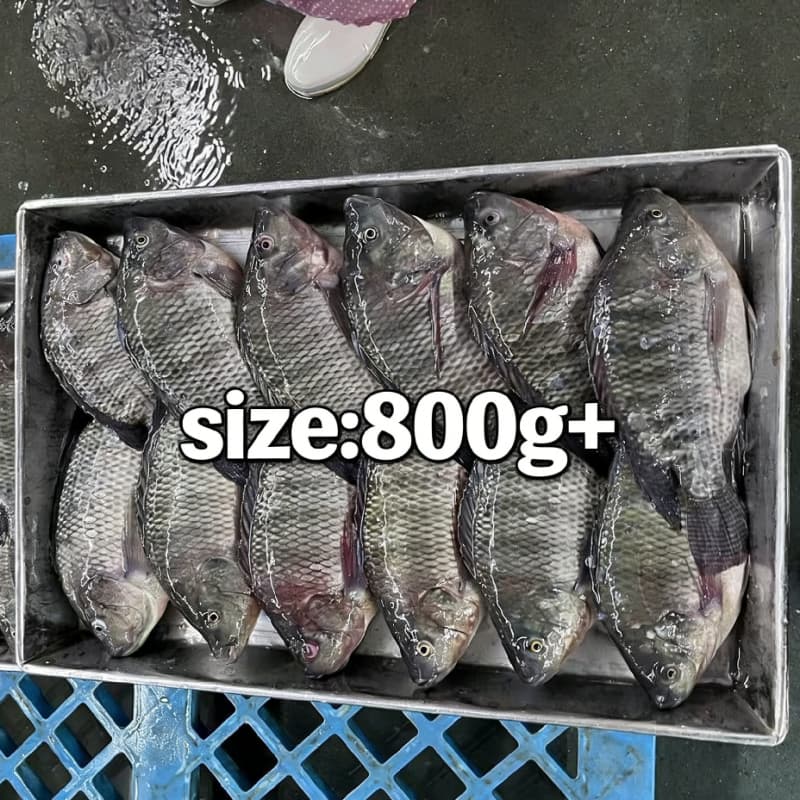
Customs Tariff and Storage Overhead Inflation
Customs authorities assess ad valorem import tariffs based on total commercial invoice values and gross landed weights listed on bill of lading documents. Customs valuation formulas apply ad valorem duty percentages directly against total landed invoice costs. Heavy ice glazing artificially inflates gross weight figures on official customs entry filings. You pay inflated border tariff duties on non-product water weight when customs officers process your shipment at destination entry ports.
Importing excessive ice glaze creates an unnecessary financial penalty because you pay both upfront vendor purchase costs and mandatory border duties on frozen water.
Cold storage logistics facilities also calculate handling fees and monthly storage charges according to total gross pallet weights. Warehouse operators weigh incoming pallets upon arrival at commercial cold storage facilities. Your company pays continuous storage overhead charges for protective ice throughout the entire cold chain distribution cycle. These accumulated warehousing charges quickly erode your net operating margins over extended storage periods.
- Primary logistics cost drivers inflated by excessive glazing include:
- Higher ocean freight charges calculated per net kilogram of delivered marketable fish flesh.
- Increased ad valorem tariff duties assessed by customs border authorities during entry clearing procedures.
- Elevated monthly cold storage warehouse handling and holding fees calculated from total pallet weight.
- Reduced overall volume of saleable inventory inside each forty-foot refrigerated shipping container.
Smart commercial seafood buyers establish clear net weight specifications prior to confirming vendor purchase orders. Partnering with a vetted frozen tilapia exporter ensures strict adherence to target glaze limits. A professional custom glazing tilapia supplier provides transparent billing and clear documentation on every shipment. Controlling glaze levels effectively reduces ocean freight expenses, minimizes customs duties, lowers cold storage costs, and protects overall operational profit margins.
Quality Preservation vs. Margin Trade-Offs
Evaluating 5%, 10%, and 20%+ Glaze Levels
Selecting the correct ice thickness requires a careful balance between physical quality protection and financial yield optimization. A minimal 5% ice glaze effectively minimizes non-product water weight, which keeps nominal invoice costs lower. However, this thin barrier risks rapid sublimation during long international ocean transport across warm shipping corridors. Direct exposure to air causes freezer burn, oxidizes surface fats, alters natural muscle texture, and compromises visual appeal long before your shipment reaches your final local distribution networks.
Applying a target glaze between 6% and 10% delivers reliable protection for high-quality frozen whole tilapia throughout standard commercial transport. This optimized ice shell completely seals both external skin and internal body cavities against oxidation without inflating landed expenses. Conversely, glaze levels exceeding a high 20% severely degrade your net operating margins. You pay expensive container freight rates and mandatory customs tariffs on tap water, which yields no additional commercial value or long-term product longevity.
Identifying Point of Diminishing Returns
Professional seafood procurement managers must pinpoint exactly where product preservation benefits end and financial losses begin. Research indicates that glaze coverage above a 12% level reaches a definitive point of diminishing returns for importers. Excess ice layers beyond this threshold provide no measurable increase in shelf life or freezer stability. Instead, heavy glaze increases defrosting times for your commercial end users, creates excessive liquid waste during processing, and reduces overall customer satisfaction.
You can maximize gross profits by matching glaze specifications directly to transit durations and cold chain stability. Short regional shipping routes require minimal protective coatings. Extended ocean transport voyages require strict adherence to a standard 10% ice envelope. You should work directly with your frozen tilapia exporter to set clear contract parameters. Contracting with an experienced custom glazing tilapia supplier business ensures exact compliance, maintains structural fish quality, and prevents excessive water charges on your official commercial purchase invoices.
Purchasing Optimization for Frozen Whole Tilapia
Net-Weight Contract Terms and Audits
You must protect your commercial business by drafting strict purchasing agreements. Specify the net weight after deglazing directly within your formal contract terms. This clause establishes the payable quantity as pure fish flesh without added ice glaze. Clearly distinguish net weight from gross weight on all billing paperwork. Define exact glaze percentage limits, size ranges, packing criteria, labeling standards, and shelf life expectations in writing. Require third-party pre-shipment inspections from independent firms like SGS or Bureau Veritas to verify compliance before container departure.
Destination ports apply rigorous testing to verify billing accuracy. FDA laboratories utilize the AOAC 963.18 standard procedure to measure the net drained weight of imported frozen seafood at receiving ports. Historical FDA sampling assignments targeted imported shipments across multiple countries to enforce net weight rules. Authorities place violative shipments showing an average short weight of 1% or more on Import Alert 99-47. These non-compliant shipments face immediate entry refusal at destination entry ports.
Aligning Glaze Levels with Regulatory Limits
International food standard bodies enforce strict rules regarding declared product metrics. Codex standards for glazed quick-frozen fish require declared net weights to exclude all protective ice glaze completely. International regulations also mandate the use of clean, potable water for all glazing procedures. You must align your product specifications with these legal parameters while protecting physical product quality. Partnering with a vetted custom glazing tilapia supplier guarantees that your factory packing lines follow these global standards consistently.
Balancing product shelf life against regulatory compliance ensures maximum overall profitability. Excessive ice coating risks severe regulatory penalties and costly customs delays. Conversely, inadequate protection damages your frozen whole tilapia fish during long ocean transit. You must contract with a reliable frozen tilapia exporter to set accurate target glaze specifications. Clear contract terms secure high product quality, maintain full regulatory compliance, and protect your commercial operating margins when importing frozen whole tilapia.
Shifting your focus from gross invoice prices to net yield cost analysis prevents severe financial losses. Evaluating actual net product weight protects your operating margins from hidden water expenses. You should always select target glaze levels between 6% and 10% based on expected shipping duration and storage conditions. This optimal range preserves physical fish quality during transit without inflating your freight expenses or customs duties. Finally, standardize clear net-weight contract clauses on every purchase order for frozen whole tilapia. Combine these formal contract terms with mandatory factory quality audits. Taking these active steps guarantees compliant shipments, optimizes total landed costs, and maximizes your commercial profitability.
FAQ
How does ice glazing affect total import costs?
Ice glaze adds non-product weight to your shipment. Ocean carriers charge freight based on total gross weight. Customs authorities calculate tariffs on gross invoice values. You pay freight and duties on tap water, which inflates landed expenses.
What is the ideal glazing percentage for commercial imports?
An optimal glaze range of 6% to 10% balances product protection and cost for frozen whole tilapia. This coverage shields fish from oxidation and freezer burn during ocean transit. Glaze levels exceeding 12% deliver diminishing returns and reduce net profit margins.
How do port authorities test declared net weight?
Destination port inspectors test shipments using official standards like AOAC 963.18. This laboratory procedure measures the net drained weight after deglazing. Regulatory agencies place non-compliant shipments showing an average short weight of 1% or more on Import Alert 99-47.
How can you enforce correct glaze levels with vendors?
You must specify net-weight contract terms excluding all protective ice glaze. Require third-party pre-shipment inspections from accredited auditing firms before container departure. Partnering with a vetted custom glazing tilapia supplier ensures reliable factory compliance.
- The Value of a Professional Seafood Processing Factory in Bulk Seafood Supply Chains
- Frozen Whole Tilapia Fish Size Guide: Choosing the Right Weight for Wholesale Markets
- Frozen Whole Tilapia vs. Tilapia Fillets: Which Is Better for Wholesale Distribution?
- OEM & Private Label Canned Sardines: How to Launch Your Own Canned Seafood Brand
- Frozen Tilapia Buying Guide: What to Check
- How to Source Frozen Tilapia from Reliable Seafood Exporters