

Frozen Tilapia Buying Guide: What to Check
You stand before a wall of frozen tilapia bags. Each package looks the same. How do you choose the right one? This guide provides a simple checklist for the perfect fillet every time. When buying tilapia, you save money and enjoy better taste by checking a few key details. The packaging shows quality. The label reveals the source. You learn to spot freezer burn. You avoid refrozen fish. You discover safe thawing methods. These tips work for any frozen seafood options. Whether you buy tilapia or other seafood, you gain confidence. Brands like dinholg offer reliable frozen fish fillets. You make informed choices. You get delicious frozen tilapia fish every time.
Key Takeaways
-
Choose vacuum-sealed, individually wrapped fillets to prevent freezer burn and reduce waste.
-
Read labels for country of origin and avoid carbon monoxide-treated fish.
-
Look for ASC or BAP certifications to ensure sustainable and ethical choices.
-
Spot freezer burn by checking for dry, whitish patches and excessive ice glaze.
-
Avoid refrozen fish by performing the clump test and checking for large ice crystals.
Check the Frozen Tilapia Fish Package
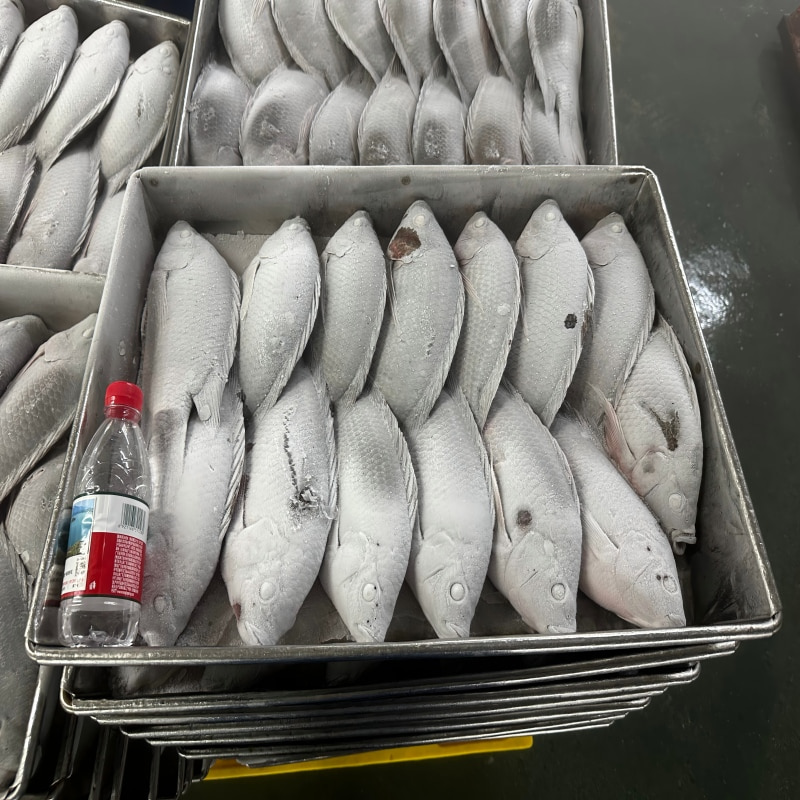
The package tells you a lot about the frozen tilapia fish inside. You learn about handling and freshness before you open the bag. Two key features deserve attention.
Look for Clear Packaging and Vacuum Seals
Clear packaging lets you see the product. You can inspect for freezer burn or ice crystals. White or gray patches indicate poor freezing. Excessive ice buildup suggests temperature changes. Both issues reduce quality and affect flavor. When selecting frozen tilapia, check the seal integrity. Vacuum-sealed bags provide the best protection. They remove air from the package. This prevents freezer burn and keeps the fish fresh. You can trust vacuum-sealed frozen seafood products more than loose bags. The seal protects the natural flavor of the seafood. Always verify the seal before purchasing.
Choose Individually Wrapped Fillets
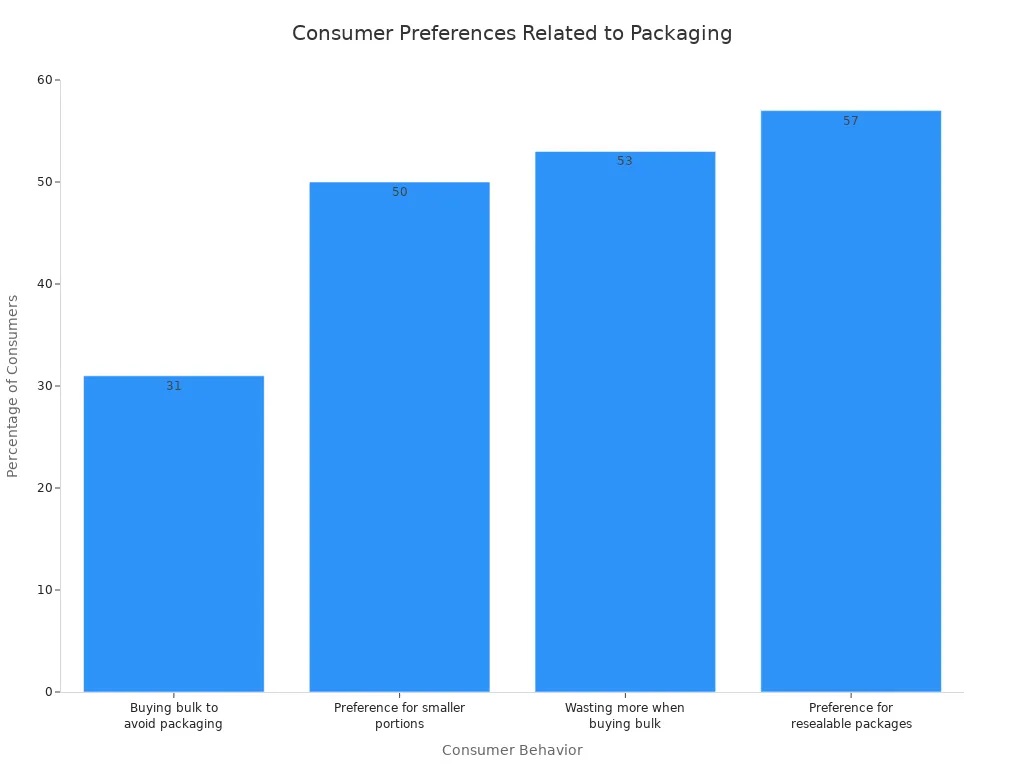
Individual wrapping offers clear advantages. You can take out one portion without thawing the whole bag. This reduces waste and saves money. This format works for Frozen Whole Tilapia Fish as well. Consider how packaging affects food waste. Many shoppers buy in bulk to avoid packaging. However, 53% of consumers report wasting more food when buying in bulk. The National Zero Waste Council states that any GHG reductions from not pre-packaging are outweighed by even a minor increase in food waste. Individual wrapping helps you waste less. Consumer preferences support this approach. 57% of U.S. consumers prefer resealable packages. 50% want more variety in product sizes, including smaller portions. These align with food waste reduction.
Brands like dinholg offer individually wrapped frozen tilapia fish. The fillet format gives you portion control. You decide how many fish fillets to use per meal. You can find high-quality fish fillets from trusted brands. This helps avoid waste and maintain freshness.
The table below summarizes how packaging choices relate to food waste:
|
Consumer Behavior |
Statistic |
Environmental Impact Conclusion |
|---|---|---|
|
Buying fresh produce in bulk to avoid packaging |
31% of shoppers do this |
N/A |
|
Wasting more food when buying in bulk |
53% of consumers report this |
N/A |
|
N/A |
N/A |
Any GHG reductions from not pre-packaging are quickly outweighed by even a minor increase in food waste (per National Zero Waste Council) |
|
Preference for resealable packages |
57% of U.S. consumers |
Aligns with food waste reduction |
|
Preference for more variety in product sizes (smaller portions) |
50% of U.S. consumers |
Aligns with food waste reduction, especially for baked goods, bagged salad, bread, and meat |
The natural taste of tilapia comes through when the fish stays protected. Tilapia offers a mild flavor for many recipes. Each fillet stays protected until you unwrap it. This applies to most frozen seafood items. You get better results with frozen fish in proper packaging. Check the package and enjoy a better meal.
Label Secrets for Buying Tilapia
The label holds critical information about your frozen tilapia fish. You must read it carefully before purchasing. Two factors matter most: the country of origin and any additives used during processing.
Country of Origin and Additives
You should always check where your tilapia comes from. Some producers in China and Taiwan use carbon monoxide to keep fish looking pink and fresh. This practice masks the natural color changes that occur as fish ages. You might think you are buying fresh tilapia when you are actually purchasing older product.
Carbon monoxide treatment raises health questions. Studies show that even if fully absorbed, the CO from tilapia would add only about 0.018% COHb to your blood. That number sits far below the 5% threshold considered harmful. Cooking releases 58–82% of the CO anyway. The real danger is indirect: CO does not stop bacterial growth. It only hides visual spoilage. You could eat fish that looks fine but harbors harmful pathogens.
|
Toxicological Parameter |
Finding from Study |
Implication for Tilapia Consumption |
|---|---|---|
|
COHb threshold |
<5% COHb is not harmful; half-life ~4.5h |
Adds only ~0.018% COHb, far below threshold |
|
CO release during cooking |
58–82% released upon heating |
Actual ingested CO is minimal |
|
Masking spoilage risk |
CO does not inhibit pathogen growth |
Main risk is foodborne illness, not CO toxicity |
|
Histamine risk |
Tilapia not listed among histidine-rich fish |
No specific histamine toxicity documented |
|
Consumer exposure via packaging |
216–9100 packages needed to exceed EPA 9 ppm |
Inhalation exposure is negligible |
Check the ingredient list for carbon monoxide or "CO-treated" labels. Avoid products with artificial color retention. Your taste buds deserve honest seafood.
Sustainability Certifications
You can choose eco-friendly options by looking for certification labels. The Aquaculture Stewardship Council (ASC) certifies tilapia among its 17 species groups. ASC uses a pass/fail system with robust traceability standards. The certification also prohibits child labor and forced labor.
Best Aquaculture Practices (BAP) offers another reliable label. BAP uses a 4-star system where each star represents a production chain component: farm, processor, feed mill, and hatchery. A 4-star rating means the entire process meets environmental and social standards. You will commonly see 2-star or 4-star ratings on products.
-
ASC: Pass/fail certification, covers tilapia, valid 3 years with annual audits
-
BAP: 4-star system, most widespread for farmed seafood, addresses social accountability
-
Seafood Watch: Monterey Bay Aquarium program that rates farmed tilapia by country
The Monterey Bay Aquarium Seafood Watch program has recognized ASC certified tilapia as equivalent or better to their yellow (Good Alternative) rating, citing the ASC requirements for data collection, effluent limits, and environmental impact assessments as key features leading to the buy recommendation.
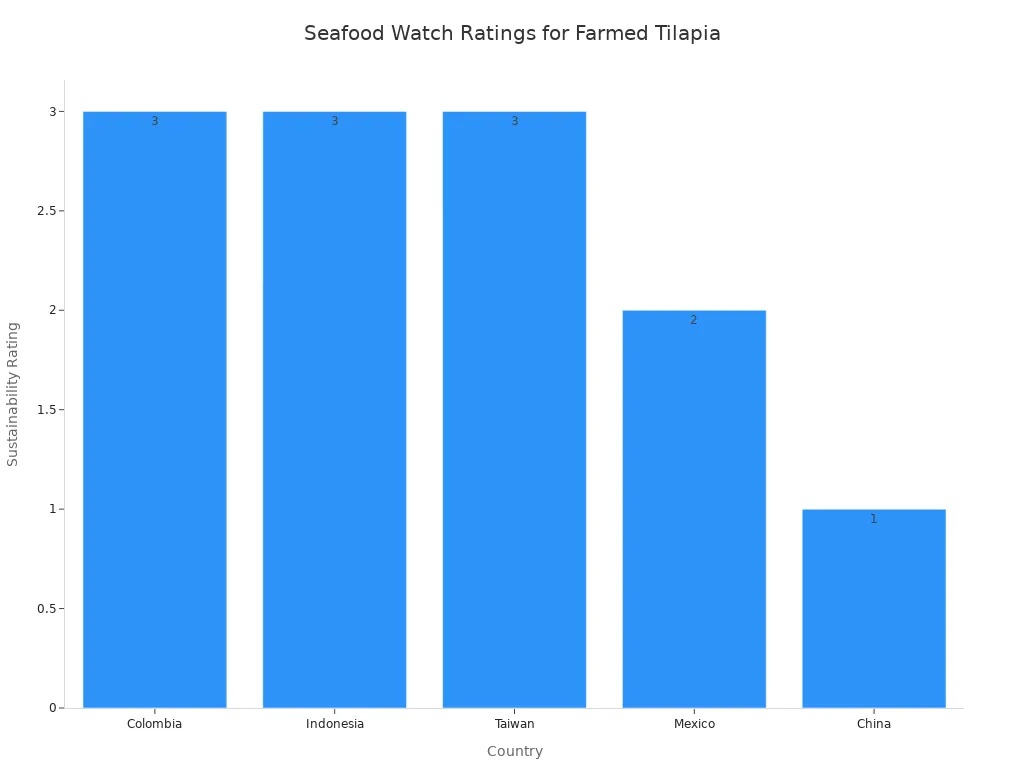
Seafood Watch ratings vary by country. Colombia, Indonesia, and Taiwan receive Green (Best Choice) ratings. Mexico earns Yellow (Good Alternative) only if ASC certified. China receives Red (Avoid) due to habitat, chemical, escape, and disease concerns. When you buy bulk Frozen Whole Round Tilapia or individual fillets, check these certifications. Premium Frozen Fish Wholesale suppliers often highlight their ASC or BAP status. You can also find Frozen Whole Tilapia Fish with these labels. Your seafood choice impacts oceans and farms worldwide.
Spot Freezer Burn on Frozen Tilapia
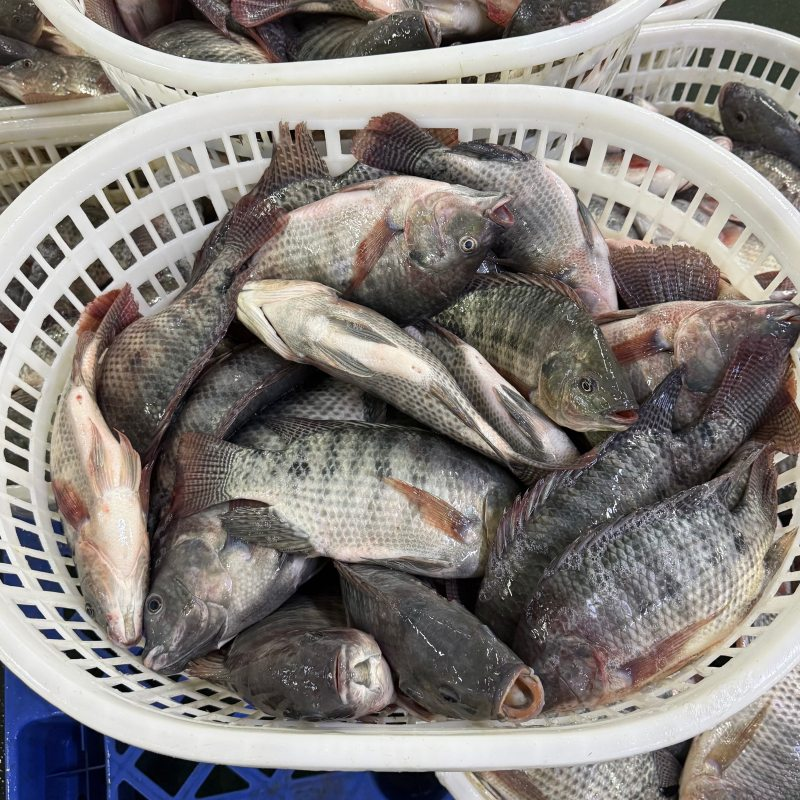
Freezer burn ruins the eating experience. You need to spot it before you buy. This section teaches you how to identify the warning signs.
Whitish or Grayish Dry Patches
You see dry, discolored patches on the surface. These areas appear whitish, grayish, or dark brown. They look leathery and tough. This damage signals poor handling somewhere in the supply chain.
The science explains the problem. Freezer burn happens when food freezes without airtight packaging. Oxygen reaches the surface. Ice inside the fish evaporates into the air. This process pulls moisture out of the flesh. The chemical composition changes. You get dry, tough texture and color shifts.
Temperature fluctuations make things worse. When your freezer cycles warm and cold, moisture escapes and refreezes repeatedly. Each cycle damages the fish further. The result: loss of texture, color, flavor, and aroma.
-
Dark brown or grayish-white leathery areas on the surface
-
Ice crystals forming on the surface
-
When cooked, the texture becomes drier and tougher
You should avoid any package showing these signs. The quality has already declined. The taste will disappoint you. This applies to all seafood, not just tilapia. Whether you buy Frozen Whole Tilapia Fish or individual portions, check every visible surface.
Thick Glaze vs. Freezer Burn
Not all ice is bad. A thin, clear glaze actually protects the fish. This protective layer prevents moisture loss and blocks oxygen. Industry standards recognize a glaze of 6–10% of the fillet weight as acceptable. Some sources cite 5–10% as the sweet spot.
Excessive ice buildup tells a different story. When you see thick, cloudy ice, the fish has likely experienced temperature fluctuations. The glaze may exceed 12% of the weight. Some products carry over 15% glaze, which becomes brittle and can crack the fish.
-
Acceptable protective ice glaze: 6–10% of fish fillet weight
-
Excessive ice buildup: greater than 12% (hurts economic value and satisfaction)
-
Over 15% glaze: becomes brittle and may cause cracking
You can test the glaze yourself. Press the package gently. A thin, even glaze feels smooth. Thick buildup feels lumpy and uneven. You pay for that extra ice by weight. Bulk Frozen Whole Round Tilapia often carries heavy glaze. Premium Frozen Fish Wholesale suppliers typically use minimal, protective glazing.
Learning how to tell if tilapia is bad starts with visual inspection. Your eyes catch freezer burn before you cook. Your taste buds will thank you later. Good fish fillets look clean and uniform. They show no discoloration or excessive ice. Choose wisely, and your meal delivers the mild, sweet flavor tilapia offers.
Avoid Refrozen Tilapia
Refreezing damages the cellular structure of fish. You lose moisture, texture, and flavor. The thawing process allows enzymes to activate. Bacteria multiply during the thaw. Refreezing traps those problems inside the flesh. You end up with a mushy, bland product. Avoid this disappointment by learning the warning signs.
Signs of Thawing and Refreezing
You can spot refrozen tilapia before you buy it. Look for large ice crystals inside the package. These crystals form when water escapes during thawing and refreezes slowly. Small, fine crystals indicate proper flash freezing. Large, jagged crystals signal trouble.
Check the texture through the packaging. Gently press the bag. Fresh frozen fillets feel firm and solid. Refrozen fish feels soft or spongy in spots. The flesh loses its rigidity after thawing. It never regains that original firmness.
Examine the shape of the package. A misshapen bag often reveals mishandling. Fish that thawed and refroze may settle into odd forms. The fillets might press against the packaging in unnatural ways. Compare several bags to spot the difference.
The color also changes with refreezing. Look for dull, opaque areas on the fish. Fresh frozen tilapia maintains a clean, translucent appearance. Refrozen fish shows cloudy patches and discoloration. These visual cues help you avoid poor-quality seafood.
The Clump Test for Stuck Fillets
You can perform a simple test right in the store. Pick up the package and shake it gently. Individually wrapped fish fillets should move freely inside the bag. They should slide and separate with ease. This movement indicates proper freezing.
Fillets stuck together in a solid block raise a red flag. This clumping suggests partial thawing occurred during storage or transport. The surface of each fillet melted slightly. Then the fish refroze into one mass. You cannot separate portions without thawing the entire block.
This problem affects your meal planning. You must thaw the whole block at once. You cannot cook just one portion. You waste food or eat more than planned. The texture suffers too. The refrozen surfaces become tough and dry.
Bulk Frozen Whole Round Tilapia often shows this issue. Large packages experience more temperature fluctuation. Premium Frozen Fish Wholesale suppliers use better cold chain management. They maintain consistent temperatures throughout shipping. You can trust their products more readily.
The clump test works for any frozen seafood. You can apply this method to shrimp, scallops, or other fish. The principle remains the same. Properly frozen products separate easily. Refrozen products clump together. Your taste buds will notice the difference. Choose wisely and enjoy the mild, sweet flavor of quality tilapia.
Thaw and Store Frozen Tilapia Fish Safely
Best Thawing Methods
The refrigerator offers the safest method for thawing frozen tilapia fish. You maintain a constant temperature at 40°F or below throughout the entire process. This prevents the fish from entering the danger zone where bacteria multiply rapidly. Plan ahead for this method. Allow 24 hours of thawing time for every 5 pounds of fish. After thawing, you can keep the seafood in the refrigerator for an additional day or two before cooking. This flexibility makes refrigerator thawing ideal for meal planning.
-
Refrigerator thawing: Place the fish on a plate or tray. Keep it in its original packaging. Thaw at 40°F or below for 24 hours per 5 pounds. Cook within 1–2 days after thawing.
-
Cold water thawing: Place the fish in a leak-proof bag. Submerge it in cold tap water. Change the water every 30 minutes. A 1-pound package thaws in about 1 hour. Cook immediately after thawing.
-
Microwave thawing: Use the defrost setting on your microwave. Cook immediately after thawing because some areas may begin to cook and enter the danger zone.
You can also cook frozen tilapia directly without thawing. This method saves time when you have a busy schedule. The cooking time increases by approximately 50% compared to thawed fish. Ensure the internal temperature reaches 145°F for safe consumption. Never thaw seafood at room temperature. Bacteria grow rapidly between 40°F and 140°F. If you thaw a vacuum-sealed bag, poke a small hole in the bag first. This prevents bacterial growth in anaerobic conditions.
Storage Tips to Maintain Quality
Proper storage preserves the quality of your seafood. Never refreeze thawed tilapia. The thawing process damages the cellular structure. Refreezing causes further texture degradation and moisture loss. The taste suffers significantly from this practice. You can store thawed tilapia in the refrigerator for 1 to 2 days before cooking. This window starts once the fish is fully thawed, not from when you removed it from the freezer.
Freezer storage requires the right conditions to maintain quality. Keep your freezer at or below 0°F (-18°C). Lean fish like tilapia can maintain quality for 4 to 8 months. Vacuum sealing provides the best protection against freezer burn and oxidation. You can also use heavy-duty freezer bags. Squeeze out all the air before sealing. Double-wrapping with plastic wrap and then freezer paper offers extra protection. Label each package with the species, weight, and freezing date. This helps you rotate your inventory and use older stock first.
Key rule: You can store thawed tilapia in the refrigerator for 1 to 2 days before cooking. The time begins once the fish is fully thawed, not from when you removed it from the freezer.
Brands like dinholg follow best practices for freezing and packaging their fish fillets. You can trust their products to maintain quality from the supplier to your kitchen. Learning how to store tilapia correctly ensures you get the best flavor and texture from every fillet. Small changes in your storage habits make a big difference in the final meal.
You now have a simple checklist for choosing frozen tilapia fish:
-
Inspect the package for clear vacuum seals on fish fillets.
-
Read the label for country of origin and additives.
-
Look for freezer burn.
-
Avoid refrozen fish. The clump test reveals frozen fish that has thawed.
-
Thaw safely.
These steps work for any frozen seafood options. Paying attention to these details guarantees a great meal. The tilapia you choose directly affects the taste on your plate. Follow this guide to find the best frozen seafood every time. Next time you stand in the frozen aisle, use this checklist. You become a frozen tilapia expert. Brands like dinholg follow these practices. A little effort upfront leads to a delicious, healthy, and sustainable choice. Your experience improves with every purchase.
FAQ
How long can I keep frozen tilapia in my freezer?
You can store lean fish like tilapia for 4 to 8 months at 0°F (-18°C) or below. Vacuum-sealed packages maintain quality longer than loose wraps. Always label your packages with the freezing date. This practice helps you use older stock first.
Can I cook frozen tilapia without thawing it first?
Yes, you can cook frozen tilapia directly. Increase the cooking time by about 50% compared to thawed fish. Ensure the internal temperature reaches 145°F for safe consumption. This method works well for busy weeknights when you forget to plan ahead.
What does "glazed" mean on a frozen fish package?
Glazing applies a thin layer of ice to protect the fish. A protective glaze of 6–10% of the fillet weight prevents moisture loss and blocks oxygen. Excessive glaze over 12% means you pay for ice instead of seafood. Choose products with minimal, even glazing.
How do I know if frozen tilapia has gone bad?
Check for whitish or grayish dry patches on the surface. These indicate freezer burn. Large ice crystals or a misshapen package suggest thawing and refreezing. Fillets stuck together in a solid block also signal temperature problems. Trust your eyes before you buy.
Is farmed tilapia safe to eat?
Farmed tilapia is safe when you choose certified products. Look for ASC or BAP labels on the package. These certifications verify environmental and social standards. Seafood Watch rates tilapia from Colombia, Indonesia, and Taiwan as Best Choice. Avoid tilapia from China due to Red ratings.
- The Value of a Professional Seafood Processing Factory in Bulk Seafood Supply Chains
- Frozen Whole Tilapia Fish Size Guide: Choosing the Right Weight for Wholesale Markets
- Frozen Whole Tilapia vs. Tilapia Fillets: Which Is Better for Wholesale Distribution?
- OEM & Private Label Canned Sardines: How to Launch Your Own Canned Seafood Brand
- Frozen Tilapia Buying Guide: What to Check
- How to Source Frozen Tilapia from Reliable Seafood Exporters