

Frozen Whole Tilapia Fish Size Guide: Choosing the Right Weight for Wholesale Markets
The right weight for frozen whole tilapia fish depends on your target market, end use, and profit goals. Wholesale sizes typically run from 300g to 1.5kg, with common grades at 300–500g, 500–800g, and 800g+. Each size suits different buyers. Small tilapia fits retail trays and buffets. Large tilapia serves fillet processors and caterers. Packing, MOQ, processing style, and supply capacity all shape your choice. So does the type of tilapia you stock. DinHolgTrading supplies multiple size grades for wholesale markets, so you can match whole fish sales to real demand. Pick the wrong size, and your frozen tilapia sits in the freezer. Pick the right one, and your tilapia moves fast.
Key Takeaways
-
Choose the right tilapia size for your market to sell faster and reduce waste.
-
Small tilapia (300-500g) works best for retail and buffets; large tilapia (800g+) suits fillet processors.
-
IQF freezing protects texture and reduces drip loss, giving better value despite higher cost.
-
Order enough tilapia for 4-6 weeks of sales and request samples before bulk purchases.
-
Red tilapia earns higher prices in display markets; black tilapia fits cost-sensitive, volume-focused accounts.
Size Grades for Frozen Whole Tilapia Fish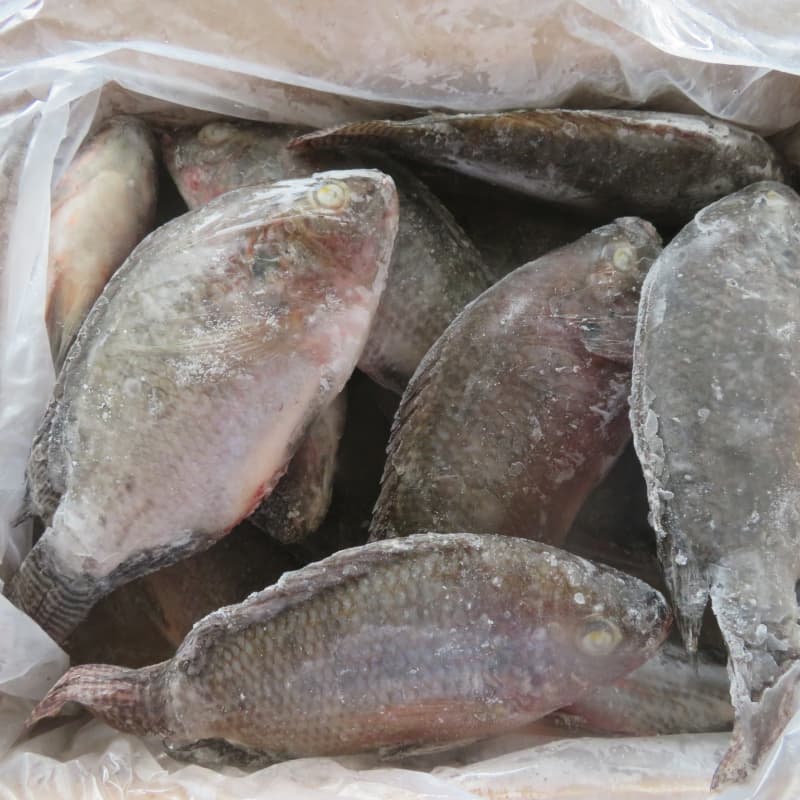
Wholesale buyers need clear size grades when selecting whole tilapia. These categories help you match product to market demand. Standard size grades span four ranges: 300–500g, 500–800g, 800–1000g, and 1000–1500g. Each grade suits a different customer group. Knowing your size grades protects your whole fish sales from slow-moving stock.
Common Weight Ranges
Tilapia from tilapia farming reaches harvest size at five to six months. At this stage, most tilapia weigh around 350g. This weight marks the lower end of the small grade category. Farmers who practice tilapia farming for larger fish extend the grow-out period. That strategy produces tilapia in the 500–800g and 800g+ ranges. Tilapia farmers track growth rates closely to hit market windows.
Buyers choose tilapia size based on end use. The 300–500g category fits retail trays and buffet lines. The 500–800g tilapia size works for family meals and casual dining venues. Large grades at 800–1500g serve fillet processors and institutional kitchens where size matters for yield. Your tilapia order should match customer demand. Tilapia farming operations adjust harvest timing to supply each weight segment.
Packing and MOQ Basics
Frozen whole tilapia fish arrives in bulk 10‑kg cartons. This packing standard keeps handling simple and shipping efficient. Frozen tilapia in this format fills standard pallets for container loading. A full container load (FCL) of Bulk Frozen Tilapia Fish holds around 20 metric tons depending on the grade. Tilapia from reliable farms ensures consistent weight and freshness. The packing size affects shipping costs, so plan accordingly.
Wholesale Frozen Whole Tilapia Fish buyers must consider minimum order quantities. A typical MOQ starts at one FCL for direct factory pricing. Smaller orders may go through regional distributors. Your whole tilapia purchase plan should account for these volume requirements. Most tilapia volume moves through these channels. Smart tilapia buyers verify these details before signing. Order size directly impacts your per-unit cost, so choose wisely.
DinHolgTrading, a reliable Frozen Tilapia Fish Wholesale Supplier, offers Premium Frozen Whole Tilapia Fish and IQF Frozen Whole Tilapia Fish options across all tilapia size grades. Buyers can count on consistent quality for every shipment. Tilapia from trusted suppliers keeps your whole fish sales profitable.
Best Uses by Size Grade
Matching frozen whole tilapia fish to the right buyer starts with understanding how each weight range performs in the kitchen. Different size grades serve different markets. Small fish work best for single servings and high-volume buffets. Large fish deliver higher yields for fillet processors and caterers. Your choice shapes your profit margins.
Small Grades for Retail and Buffets
The 300–500g grade earns its reputation as a workhorse size. This weight range balances portion size with cooking flexibility. You can bake a stuffed whole fish for one person. You can also process these fish into small fillets for quick-service menus. This grade matches the standard harvest size from many tilapia farming operations, which explains its steady supply.
Retail supermarkets prefer this frozen whole tilapia size for their seafood cases. A 300–500g fish fits neatly on a tray. Customers see a complete meal portion. The standard packing uses 10‑kg or 20‑kg cartons with IQF or BQF freezing methods. You can select glazing levels from 0% to 20%. Your minimum order starts at 10 tons for a 20‑foot container or 26 tons for a 40‑foot container. These specifications make Wholesale Frozen Whole Tilapia Fish easy to source in volume.
Buffet operators also favor this size grade. A plate‑size fish cooks quickly. You can pan‑fry or steam each portion in minutes. The smaller weight keeps food costs low while still delivering a whole fish experience. For all‑you‑can‑eat formats, this grade controls expenses and moves fast. A small fish suits single-serving fried dishes perfectly. The plate‑size presentation matches what buffet customers expect. Each fish becomes an individual serving that cooks in minutes and plates beautifully.
The 300–500g tilapia also works for baking stuffed fish. You can fill the cavity with herbs and vegetables. The moderate size ensures even cooking throughout. This cooking method appears on menus at casual dining chains across many markets. The versatility of this weight range explains its popularity among wholesalers.
Large Grades for Food Service and Filleting
The 500–800g range opens more menu options. You can roast these fish for family‑style platters. You can also process them into boneless fillets for retail or restaurant menus. This tilapia size serves casual dining chains and grocery buyers who need consistent portion weights. A single fish in this grade feeds two to three people. Family-style restaurants value this size for main courses. The yield from this grade supports profitable fillet programs.
The 800–1000g grade attracts premium buyers. These tilapia yield thick, high‑quality fillets. Restaurants looking for upscale entrées choose this size. Caterers serving large events benefit from the higher meat‑to‑bone ratio. A standard dinner entrée uses 5 to 7 ounces of cooked protein. A whole tilapia in this range provides enough meat for two portions or one generous serving. The yield improvement over smaller grades justifies the higher per-unit cost.
Jumbo grades at 1000–1500g serve specialty processors. These fish produce steak-like cuts for export markets. High‑end fish markets and white‑tablecloth restaurants demand this tilapia category. The yield per fish increases with weight, which explains why wholesale buyers often prefer larger sizes. You pay more per fish but get more usable meat per dollar. Processors targeting premium fillets choose these jumbo grades.
Tilapia farming operations that extend the grow‑out period supply these larger grades. The extra time produces thicker fillets without sacrificing the mild flavor buyers expect. If your target market includes fillet processors or premium food service, order the larger size grades. Your customers will see better plate coverage and less waste. Premium fillets from these jumbo tilapia command higher prices in specialty markets. The right size grade keeps your inventory moving and your margins healthy.
Processing Frozen Tilapia for Quality
Processing methods shape the final quality of every frozen whole tilapia fish you buy. The freezing technique affects texture, moisture retention, and your effective cost per kilogram. You should understand these differences before placing a wholesale order.
IQF vs. Block Frozen
IQF Frozen Whole Tilapia Fish freezes each fish individually at extremely low temperatures. This method produces tiny ice crystals that sit gently between muscle fibers. Cell walls stay intact during thawing, so moisture and texture remain locked in. Block freezing works differently. It freezes fish slowly from the outside in. Water molecules migrate and form larger, jagged ice crystals. These crystals pierce cell walls and cause significant drip loss. The table below compares both methods.
|
Freezing Method |
Ice Crystal Size & Cell Impact |
Drip Loss (Purge) |
Texture Outcome |
|---|---|---|---|
|
IQF |
Fast freezing keeps ice crystals tiny, causing less cell rupture |
2–4% weight loss if thawed correctly |
Firmer, flakier texture |
|
Block Frozen |
Slower freezing creates larger crystals and more cell damage |
5–10% purge, sometimes more with poor storage |
Mushier, more watery texture |
IQF processing commands a $0.50–1.50/kg premium over block frozen for the same species and tilapia size grade. Smart buyers normalize prices to net thawed weight. Consider this example. Block frozen at $3.50/kg with 20% drip loss costs you $4.37/kg of usable protein. IQF at $4.00/kg with 8% drip loss may cost less per usable kilogram. Despite the higher sticker price, IQF often delivers better value.
Glazing and Gutted Options
Frozen gutted tilapia is often the cheapest form per kilogram. Gutting removes internal organs before freezing. This step reduces weight and simplifies kitchen prep. Glazing adds a protective ice layer that prevents freezer burn. You can select glazing levels from 0% to 20% depending on your storage conditions and turnaround time.
Quality checks matter for every shipment. Look for firm flesh that springs back when pressed. Check for red gills and a clean, mild smell. The EPA and FDA rate tilapia as a Best Choice for low mercury and sustainability. These checks protect your reputation as a Frozen Tilapia Fish Wholesale Supplier. Bulk Frozen Tilapia Fish from tilapia farming operations that follow strict processing standards delivers consistent results. Premium Frozen Whole Tilapia Fish buyers should always request samples before committing to volume.
Supply Capacity and Ordering
Monthly Capacity and Lead Times
DinHolgTrading maintains consistent monthly production across all size ranges. You can expect reliable supply from established tilapia farming operations. Lead times typically span two to four weeks from order confirmation to shipment. This timeline allows for processing, packing, and container loading. You receive frozen whole tilapia fish that meets your exact specifications. FCL options give you flexibility in order volume. A 20-foot container holds approximately 20 metric tons of product. A 40-foot container doubles that capacity. You choose the option matching your budget and storage constraints. Bulk Frozen Tilapia Fish ships efficiently in standard 10-kg cartons. Your logistics partner handles container booking and delivery.
Confirm your lead time with your supplier before placing any order. Seasonal demand shifts affect processing schedules. Tilapia farming harvest cycles follow predictable patterns. Plan your orders around these cycles to avoid delays. A two-week lead time applies to most standard grades. Larger grades may require additional processing time.
Matching Orders to Market Demand
Your order quantity should match your target market's sell-through rate. Define your customer segments first. Smaller tilapia moves quickly in retail and buffet channels. Larger tilapia serves fillet processors and institutional kitchens. Your whole tilapia order should reflect these differences. Calculate the right order size based on your monthly sales volume for each tilapia weight category. Order enough tilapia to cover four to six weeks of expected sales. This buffer protects against supply chain disruptions. Frozen tilapia stores well with proper cold chain maintenance.
Request samples before committing to bulk purchases. A sample run confirms product quality and weight accuracy. You verify the product meets your customer expectations.
-
DinHolgTrading provides samples for all available grades.
-
You pay for shipping but receive representative product.
-
This small investment prevents costly mismatches.
Your whole fish sales depend on accurate ordering. Match your order volume to customer demand patterns. A conservative first order reduces your inventory risk. Increase volume once you confirm sell-through rates. Smart ordering keeps your inventory fresh and profitable.
Black vs. Red Tilapia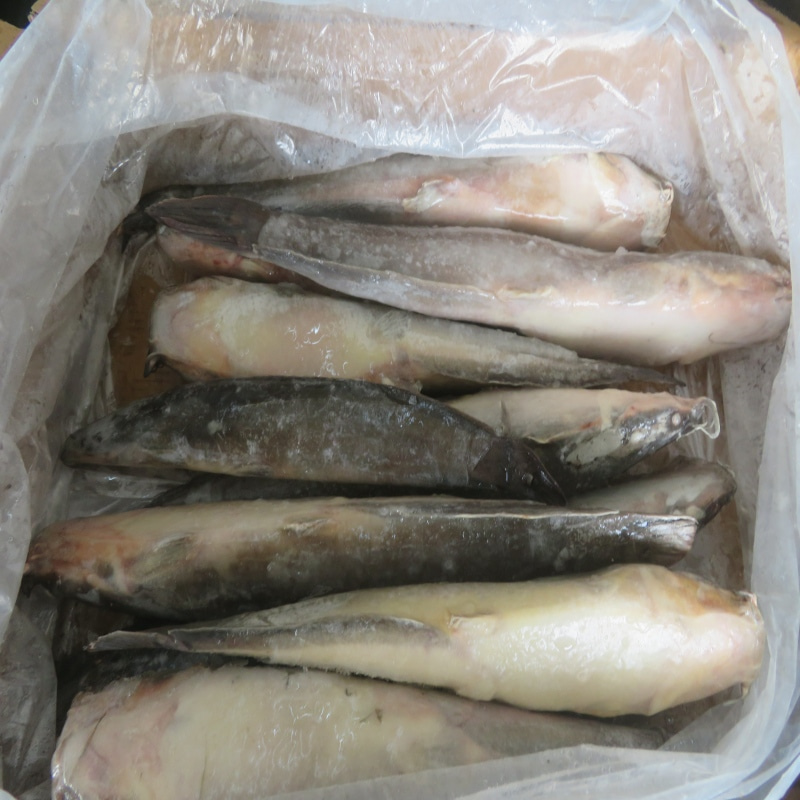
Appearance, Taste, and Market Preference
Black tilapia carries dark gray to silver skin and a mild, slightly earthy flavor. Red tilapia shows pink to reddish skin and a sweeter, cleaner taste. Both types come from the same tilapia farming methods and share a firm texture. Regional demand separates them. Asian and African markets often prefer black tilapia for everyday cooking. North American and Middle Eastern buyers frequently favor red tilapia for its plate appearance.
Price data reveal a clear gap. A 600-gram red tilapia sells for about $1.76 per kilogram at wholesale. A 600-gram black tilapia brings $1.50 to $1.59 per kilogram. Exfarm prices sit lower for both types, at $0.92 to $1.15 per kilogram for black and $1.00 to $1.15 for red. These figures show that red tilapia can command a premium in the right market.
Choosing the Right Type for Your Grade Strategy
Your tilapia size grade should guide your type choice. Small grades at 300–500g suit red tilapia for retail trays and buffet lines. The brighter skin draws customer attention in display cases. Medium grades at 500–800g work well for either type. Black tilapia fits family meals and casual dining. Large grades above 800g favor black tilapia for fillet processing. The lower cost per kilogram improves your yield economics.
Red tilapia may earn higher prices in premium markets. That advantage shrinks when buyers focus on fillet yield rather than appearance. Match your type to your customer base. Stock red tilapia for display-driven channels. Choose black tilapia for cost-sensitive, volume-focused accounts. This approach keeps your Wholesale Frozen Whole Tilapia Fish inventory moving and protects your margins.
Selecting the right tilapia size grade depends on your target market and end use. Small fish work best for retail and buffet channels. Large tilapia serve fillet processors and food service buyers. Your choice directly impacts your profit per shipment.
Before ordering, confirm packing details, MOQ, and supply capacity with DinHolgTrading. These factors affect your per-unit cost and delivery timeline. A quick conversation with your supplier clarifies all variables.
The right selection leads to faster sell-through, less waste, and stronger wholesale margins. Buyers who match whole tilapia orders to real demand keep their inventory moving and their customers satisfied. Consistent sell-through builds long-term trading relationships.
FAQ
How do I choose the right tilapia size for my market?
Match the grade to your buyer. Retail trays and buffets need 300–500g fish. Family restaurants and grocery chains prefer 500–800g. Fillet processors want 800g and above. Check your customers' end use first. Then confirm your tilapia order fits their plate and their budget.
Which freezing method should I pick for frozen whole tilapia?
IQF Frozen Whole Tilapia Fish freezes each fish separately. This method protects texture and cuts drip loss. Block freezing costs less per kilogram upfront. However, block frozen fish loses more moisture during thawing. Calculate your net cost per usable kilogram before you decide.
What is the minimum order for wholesale tilapia?
Most suppliers start at one full container load. A 20-foot container holds about 20 metric tons. A 40-foot container carries roughly 26 tons. Smaller volumes usually move through regional distributors. Confirm your MOQ and lead time with your Frozen Tilapia Fish Wholesale Supplier before ordering.
Does red tilapia cost more than black tilapia?
Yes, in many markets. A 600g red tilapia sells for about $1.76 per kilogram at wholesale. Black tilapia of the same weight brings $1.50 to $1.59 per kilogram. Red tilapia suits display-driven channels. Black tilapia fits cost-sensitive, volume-focused accounts. Your size grades and customer base should guide the choice.
How long does shipping take for bulk tilapia orders?
Lead times typically run two to four weeks from order confirmation. This window covers processing, packing, and container loading. Seasonal demand and harvest cycles can shift the schedule. Plan your Bulk Frozen Tilapia Fish orders around these patterns. Always confirm timelines with your supplier before committing.
- The Value of a Professional Seafood Processing Factory in Bulk Seafood Supply Chains
- Frozen Whole Tilapia Fish Size Guide: Choosing the Right Weight for Wholesale Markets
- Frozen Whole Tilapia vs. Tilapia Fillets: Which Is Better for Wholesale Distribution?
- OEM & Private Label Canned Sardines: How to Launch Your Own Canned Seafood Brand
- Frozen Tilapia Buying Guide: What to Check
- How to Source Frozen Tilapia from Reliable Seafood Exporters