

Frozen Whole Tilapia vs. Tilapia Fillets: Which Is Better for Wholesale Distribution?
When buying frozen tilapia in bulk, wholesalers and importers often need to decide between whole fish and fillets. Both formats have a place in the international seafood market, but they serve different purchasing needs. The better option depends on the target market, local processing capacity, labor costs, storage requirements, and how the seafood will be sold after import.
In general, frozen whole tilapia is a practical choice for wholesalers, distributors, traditional seafood markets, and buyers with local processing capacity. Tilapia fillets are often more convenient for restaurants, foodservice operators, supermarkets, and businesses that need ready-to-use portions.
However, price alone should not determine the decision. Yield, glazing, packaging, processing costs, transportation, storage, and customer preferences can all affect the actual value of a frozen tilapia shipment.
DINHOLG focuses on bulk frozen seafood supply for international importers, distributors, wholesalers, retailers, and foodservice businesses. Its current dedicated tilapia product is Wholesale Frozen Whole Tilapia Fish, with standardized size grading and different glazing options for international buyers.
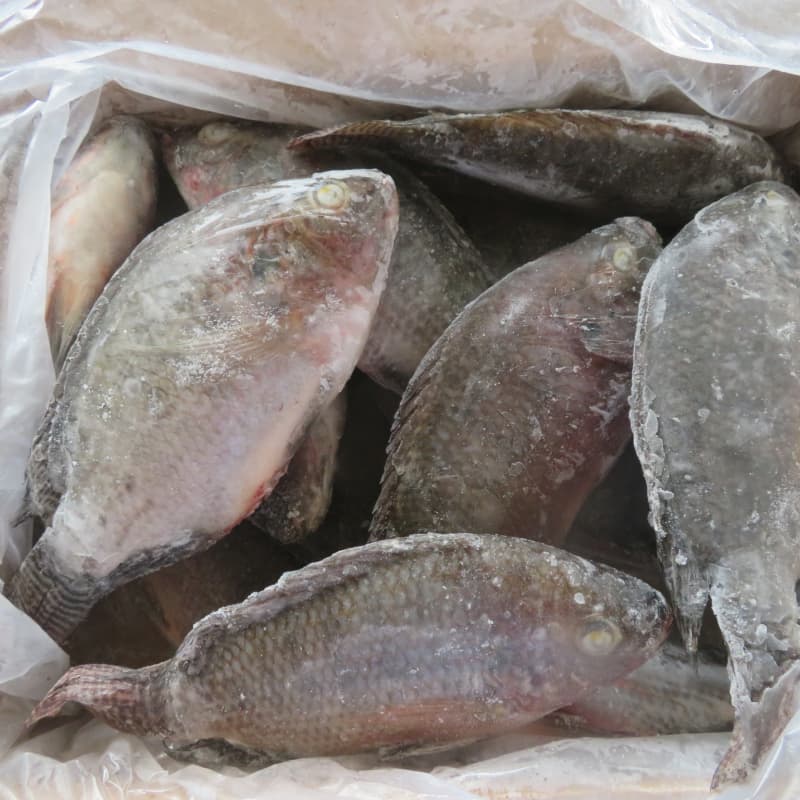
What Is the Difference Between Whole Tilapia and Tilapia Fillets?
The main difference is the amount of processing completed before the product reaches the buyer.
Frozen whole tilapia is supplied as a complete fish. Depending on the agreed specification, buyers can select different weight grades and processing requirements. This gives wholesalers more flexibility because additional processing can be completed in the destination market according to local demand.
Tilapia fillets have already been separated from the bone and prepared into portions. This reduces preparation work for restaurants, food manufacturers, retailers, and foodservice businesses.
The difference affects more than convenience. It can influence the purchase price, usable yield, labor requirements, packaging, storage, transportation, and final selling price.
For example, a seafood wholesaler serving traditional markets may prefer whole fish because customers are accustomed to purchasing fish in its original form. A restaurant group may prefer fillets because its kitchen staff can portion and cook the product with less preparation.
For this reason, there is no universal winner. The more useful question is: which product format provides the best total value for the buyer's specific market?
Why Do Wholesale Buyers Choose Frozen Whole Tilapia?
Whole tilapia remains an important format in international seafood distribution because it provides flexibility after the shipment reaches the destination market.
One major advantage is purchasing flexibility. A wholesaler can import whole fish and determine how much additional preparation is required according to local customer demand. This can be useful when the buyer already has access to seafood processing workers, equipment, or established processing facilities.
Whole fish can also be suitable for traditional retail channels where customers prefer to purchase fish in its original form. In these markets, appearance and size can play an important role in purchasing decisions.
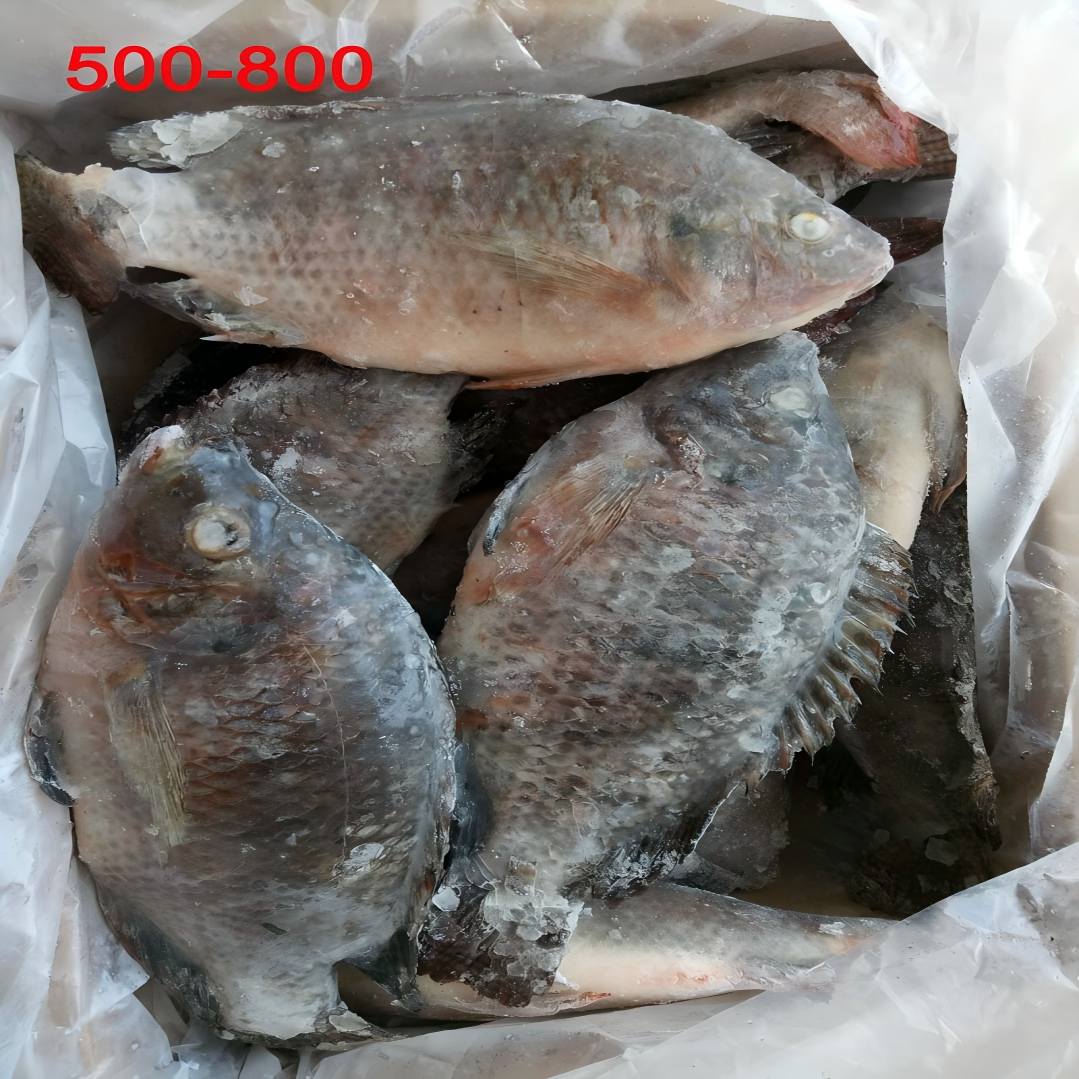
Another advantage is size grading. DINHOLG's current frozen whole tilapia product lists several weight ranges, including 100–200g, 200–300g, 300–500g, 500–800g, and 800g+. This allows buyers to select a product specification that better matches their target market.
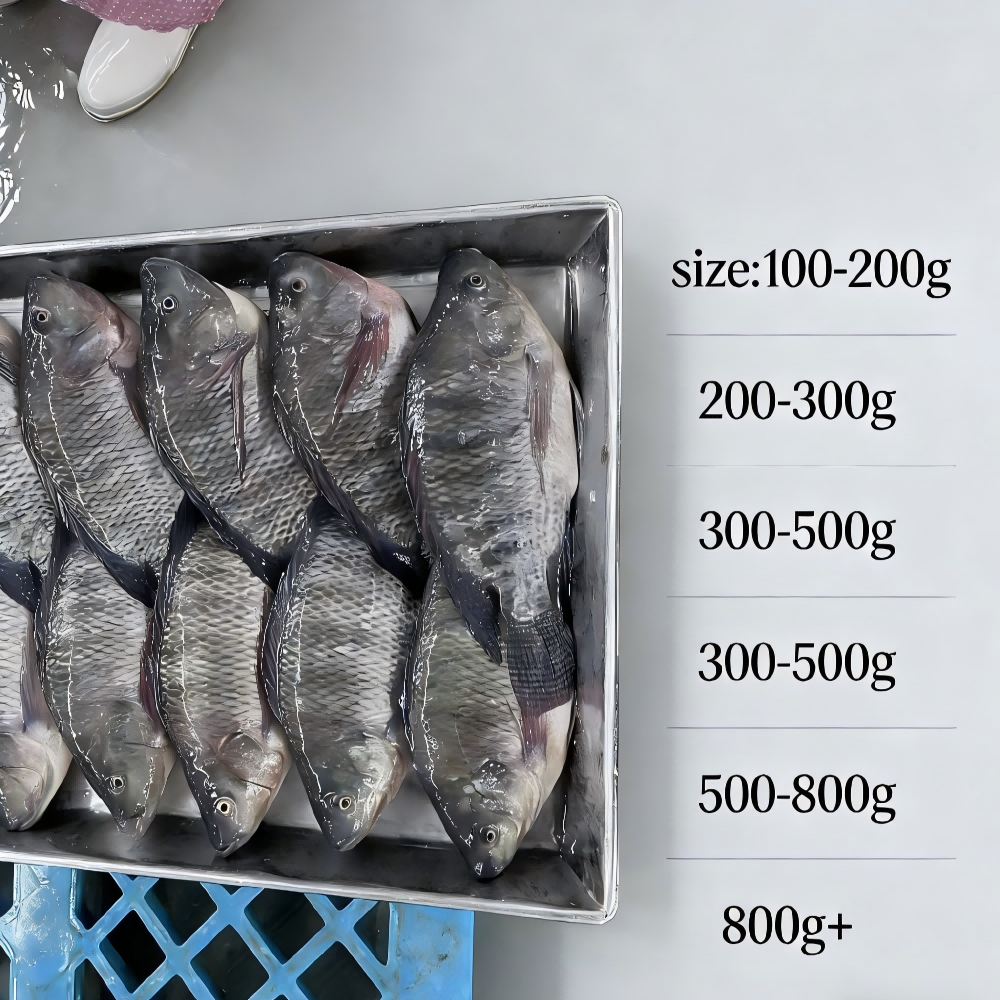
For a distributor serving different customer groups, size grading can make inventory planning easier. Smaller fish may suit certain retail or traditional market channels, while larger fish can be more suitable for restaurants, catering businesses, or other foodservice applications.
The key is to choose the size according to the final sales channel rather than simply selecting the lowest-cost option.
When Are Tilapia Fillets a Better Choice?
Tilapia fillets become more attractive when convenience, portion control, and reduced preparation work are important purchasing factors.
Restaurants are a good example. A kitchen purchasing fillets can move from frozen storage to cooking without spending additional time cleaning, cutting, and preparing whole fish. For businesses handling large daily food volumes, reducing preparation time can have a direct impact on labor efficiency.
Foodservice distributors may also prefer fillets because their customers can use the product with less preparation. Supermarkets and packaged seafood businesses can also benefit from ready-to-cook portions that are easier for consumers to understand and use.
Another advantage is portion consistency. When fillets are produced within a defined weight range, buyers can estimate the number of portions available from each carton or shipment.
However, fillets require a higher level of processing before shipment. Buyers should therefore confirm details such as skin-on or skinless specifications, trimming standards, bone removal, individual piece weight, glazing, packaging, and net weight.
Two suppliers may both sell frozen tilapia fillets while offering very different specifications. A lower quotation does not necessarily represent a lower total cost if the trimming standard, glaze, or usable yield is different.
Is Whole Tilapia Cheaper Than Tilapia Fillets?
In many cases, whole tilapia has a lower purchase price per kilogram because less processing is completed before export. But professional buyers should avoid comparing quotations based only on the initial unit price.
Whole fish includes bones, head, skin, and other parts that may not be used in every application. If the buyer ultimately needs fillets, additional local processing will be required.
Fillets usually have a higher purchase price because the supplier has already completed much of the preparation. The additional cost may be worthwhile if the buyer would otherwise need to spend significantly more on labor and processing.
A better comparison is to calculate the effective cost of the usable product.
Effective usable cost = Total purchase cost ÷ Usable product yield
For whole tilapia, buyers should consider the expected yield after local processing. For fillets, the buyer should confirm exactly what is included in the quoted net weight.
Glazing is another important factor. Frozen seafood may receive a protective ice glaze during processing, but the agreed percentage affects the relationship between gross shipment weight and actual fish weight.
DINHOLG has published a separate article explaining how glazing percentage affects frozen whole tilapia import costs. This is particularly relevant when comparing quotations from different frozen seafood suppliers.
How Does Processing Affect Wholesale Labor Costs?
Local processing capacity can make a major difference to the overall value of whole tilapia.
A buyer with an established seafood processing operation may prefer whole fish because the company can control the final processing itself. The buyer can adjust cutting methods, portion sizes, and preparation according to individual customer requirements.
For a distributor without processing facilities, whole fish may create additional work after arrival. Workers, equipment, water, sanitation, cold storage, waste management, and packaging can all add to the operating cost.
Fillets reduce many of these requirements because the main preparation work has already been completed by the supplier.
Before deciding, importers should therefore compare the supplier's quotation with the actual cost of local processing. A lower whole-fish price does not automatically mean lower total operating costs.
At the same time, buyers with efficient local processing may find whole tilapia more flexible because they can control the final product and potentially make use of different parts of the fish.
Which Format Is Better for Wholesale Markets?
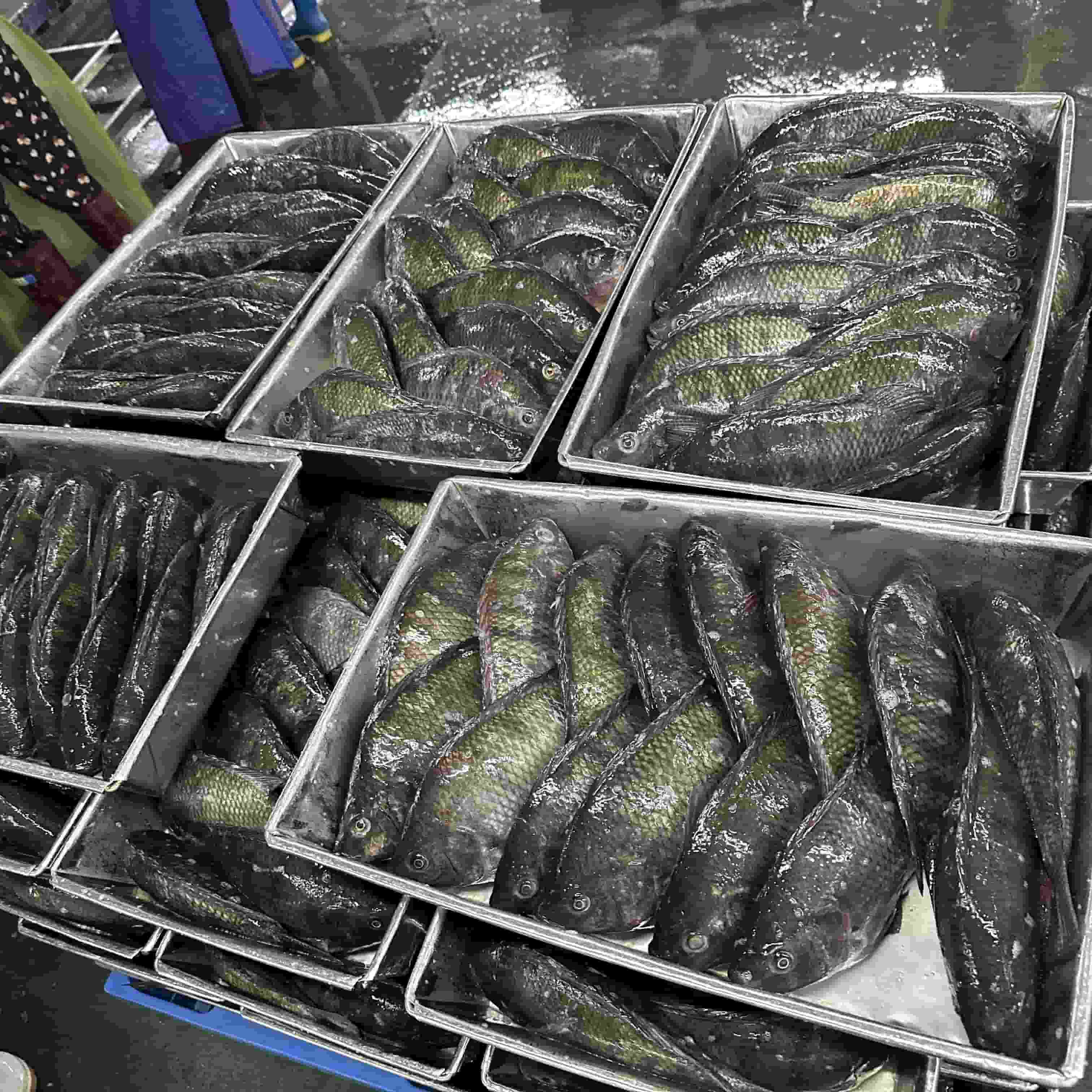
For traditional wholesale markets, whole tilapia can have a strong advantage because customers are often familiar with purchasing whole fish.
Wholesalers can sort fish according to size, distribute different grades to different customers, and allow downstream buyers to process the product according to their own requirements.
Fillets are generally more suitable when the sales channel focuses on convenience. Restaurants, hotels, catering businesses, supermarkets, and food manufacturers may place greater value on ready-to-use portions than on the original appearance of the fish.
DINHOLG's wider frozen seafood operation serves importers, distributors, wholesalers, retailers, and foodservice businesses. The company's current portfolio includes whole and fillet seafood across several species, while the dedicated tilapia product page focuses specifically on whole round tilapia.
For buyers who want to review the wider range of frozen seafood available from the company, the Frozen Fish product category provides an overview of its current product range.
Why Fish Size Matters in Frozen Tilapia Procurement
Fish size is one of the most important specifications for whole tilapia buyers.
A distributor may have an established customer base that prefers 200–300g fish, while another buyer may need 500–800g or larger fish for restaurants and other foodservice applications.
Buying the wrong size can create a larger commercial problem than paying a slightly higher unit price.
If the product does not match local customer preferences, inventory can move slowly. This ties up cold-storage capacity and working capital while increasing the risk of prolonged storage.
For this reason, buyers should review previous sales data before confirming a size range. If the buyer is entering a new market, requesting samples of different size grades can help determine which specification has the strongest commercial potential.
DINHOLG currently lists several whole tilapia size grades, giving international buyers the ability to discuss a specification according to their target market.
What Should Importers Check Before Ordering Frozen Tilapia?
Whether a buyer chooses whole tilapia or fillets, the product specification should be confirmed in detail before placing a bulk order.
Product form: Clearly define whether the fish is whole, gutted, scaled, filleted, skin-on, skinless, or otherwise processed.
Size: Specify the required weight range or individual piece weight. Avoid relying only on general descriptions such as “medium” or “large.”
Glazing: Confirm the agreed glazing percentage and whether the quotation is based on gross or net weight.
Freezing method: Confirm whether the product is IQF, BQF, or another agreed freezing format.
Packaging: Confirm carton weight, inner packaging, labeling, pallet requirements, and private-label requirements if applicable.
Cold-chain conditions: Make sure storage and transportation requirements are clearly stated and maintained throughout the shipment.
Documents: Confirm the health certificate, certificate of origin, commercial invoice, packing list, and other documents required for customs clearance in the destination market.
DINHOLG's existing Frozen Tilapia Buying Guide also discusses packaging, freezer burn, product labeling, glazing, and other considerations for frozen tilapia buyers.
How Does Glazing Affect the Comparison?
Glazing is sometimes overlooked when buyers compare whole tilapia with fillets, but it can affect the actual economics of a frozen seafood order.
A protective ice glaze helps reduce moisture loss and protects frozen fish during storage and transportation. At the same time, the amount of glaze affects the difference between the gross shipment weight and the actual fish weight.
For a large importer, even a small difference in glazing percentage can affect the effective cost of the shipment.
For example, if two suppliers offer similar nominal prices but use different glazing specifications, the supplier with the lower quoted price may not necessarily provide the lower usable cost.
This is why professional buyers should compare quotations using the same product specification. The comparison should include fish size, processing method, glaze percentage, packaging weight, net weight, and delivery terms.
DINHOLG currently lists 0%, 10%, and 20% glazing options for its frozen whole tilapia according to market requirements. The final glazing specification should be confirmed with the supplier before an order is finalized.
How Does Packaging Affect Wholesale Distribution?
Packaging is another factor that should be considered when comparing whole tilapia and fillets.
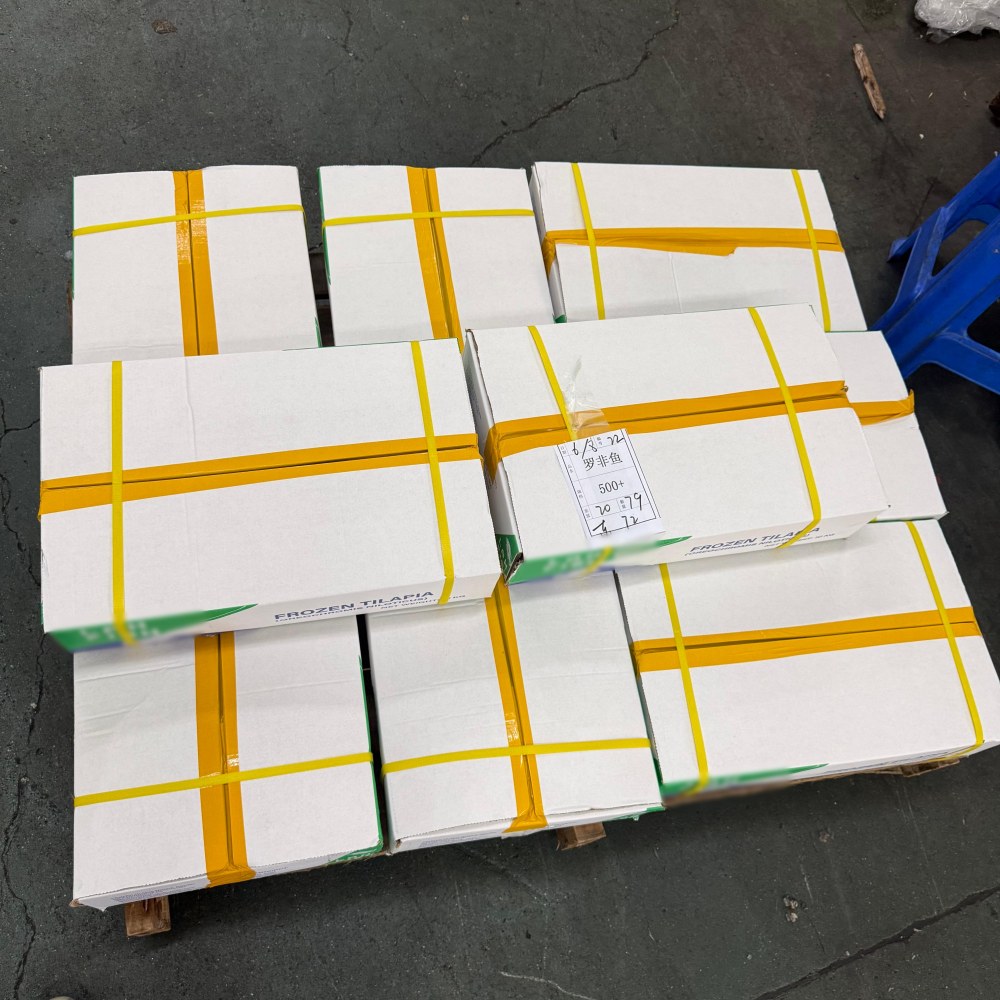
Whole fish is often suitable for bulk export cartons because wholesalers can handle larger quantities and distribute the product through established seafood channels. Fillets may require additional inner packaging or individual portions depending on the target market.
Packaging affects more than appearance. It influences storage efficiency, handling, product protection, labeling, and transportation costs.
For container-scale purchasing, buyers should confirm carton weight and loading configuration before placing an order. DINHOLG's current whole tilapia specification lists 10kg cartons and a minimum order of one 40-foot FCL, while exact loading arrangements should be confirmed according to the final product and packaging specification.
For international shipments, the packaging should also be suitable for long-distance cold-chain transportation. The buyer should confirm that cartons, inner bags, labels, and pallet configurations meet the requirements of the destination market.
Why Supply Stability Matters for Frozen Tilapia Buyers
Price is important, but a wholesale seafood business also needs predictable supply.
A buyer may find an attractive price for a single shipment, but if the supplier cannot maintain the same size, quality, packaging, and delivery schedule for future orders, the initial saving may not be meaningful.
Consistent specifications are particularly important for distributors with established retail or foodservice customers. If the fish size changes significantly from one shipment to another, customers may notice differences in handling, cooking time, portion size, and selling price.
DINHOLG's current company information describes an integrated seafood supply chain supported by its own processing facilities, fishing vessels, aquaculture resources, cold storage, and international logistics. The company states that its frozen seafood operations process large volumes of wild-caught and farmed seafood annually.
For buyers evaluating a long-term supplier, it is useful to ask about production capacity, raw-material sources, cold-storage capacity, certifications, export experience, and contingency plans during seasonal supply changes.
Whole Tilapia or Fillets: Which One Fits Your Business?
A practical way to make the decision is to start with the customer rather than the supplier's quotation.
Frozen whole tilapia may be the better option if:
- Your main customers are wholesalers or traditional seafood markets.
- Customers prefer whole fish.
- You have local processing capacity.
- You need different fish sizes for different customer groups.
- You want more control over downstream processing.
- You purchase in full-container quantities for distribution.
Tilapia fillets may be more suitable if:
- Your customers prioritize convenience.
- You supply restaurants or foodservice businesses.
- You need consistent portions.
- You want to reduce local processing labor.
- Your products are sold through modern retail channels.
- You require ready-to-cook seafood products.
For some distributors, there may not be a need to choose only one format. A business can develop different product lines for different customer groups, using whole fish for wholesale markets and processed portions for foodservice customers.
What Makes a Reliable Frozen Tilapia Supplier?
For international buyers, supplier evaluation should go beyond the quotation.
A reliable supplier should be able to provide clear product specifications, stable quality, appropriate certifications, transparent packaging information, export documentation, and a practical cold-chain plan.
Production capacity is also important for buyers placing recurring orders. A supplier with established processing facilities and logistics resources is generally better positioned to support long-term bulk procurement.
DINHOLG's company profile describes its frozen seafood business as an integrated operation covering raw-material sourcing, processing, freezing, packaging, cold storage, and export logistics. Its current certifications and production information are available through the company's About DINHOLG page.
For a buyer comparing suppliers, the goal should be to find a partner that can consistently meet the agreed specification rather than simply finding the lowest quotation for one shipment.
The Bottom Line for Wholesale Buyers
There is no single answer to whether frozen whole tilapia or tilapia fillets are better for wholesale distribution.
Whole tilapia is generally a strong option for wholesalers, distributors, traditional markets, and buyers with local processing capabilities. It provides flexibility in fish size, downstream processing, packaging, and market distribution.
Tilapia fillets are generally better suited to businesses that prioritize convenience, consistent portions, and reduced preparation work. Restaurants, foodservice operators, supermarkets, and food manufacturers may benefit from the additional processing already completed by the supplier.
The most reliable purchasing decision comes from comparing the total cost of getting the product from the supplier to the final customer. Purchase price is only one part of that calculation. Yield, glazing, processing labor, packaging, logistics, storage, and local customer demand should all be considered together.
For importers considering frozen whole tilapia, the best starting point is to define the target market, preferred fish size, glazing requirement, packaging format, expected order volume, and destination before requesting a quotation.
A clear specification makes supplier comparisons easier and reduces the risk of receiving a product that does not match local market requirements.
Frequently Asked Questions
Is frozen whole tilapia cheaper than tilapia fillets?
Whole tilapia often has a lower purchase price per kilogram because it requires less processing. However, buyers should also calculate local processing, labor, yield, packaging, and glazing before comparing the total cost.
Which is better for seafood wholesalers, whole tilapia or fillets?
Frozen whole tilapia is often suitable for wholesalers serving traditional markets or customers who prefer whole fish. Fillets are generally more suitable when customers need ready-to-use portions.
Which tilapia format is better for restaurants?
Fillets are usually more convenient for restaurants because they reduce preparation work and provide easier portion control. Restaurants with their own processing facilities may still choose whole fish depending on their purchasing strategy.
What frozen whole tilapia sizes does DINHOLG offer?
DINHOLG currently lists 100–200g, 200–300g, 300–500g, 500–800g, and 800g+ size grades for its frozen whole tilapia product.
What glazing options are available for DINHOLG frozen whole tilapia?
The current product specification lists 0%, 10%, and 20% glazing options according to market requirements. Buyers should confirm the final glazing percentage before placing an order.
What should I check before buying frozen tilapia in bulk?
Check the product form, size range, freezing method, glazing percentage, net weight, packaging, storage conditions, certifications, export documents, MOQ, lead time, and delivery terms.
Why is fish size important when importing whole tilapia?
Different markets have different size preferences. Selecting the right weight range can improve sales turnover and reduce the risk of holding inventory that does not match customer demand.
- The Value of a Professional Seafood Processing Factory in Bulk Seafood Supply Chains
- Frozen Whole Tilapia Fish Size Guide: Choosing the Right Weight for Wholesale Markets
- Frozen Whole Tilapia vs. Tilapia Fillets: Which Is Better for Wholesale Distribution?
- OEM & Private Label Canned Sardines: How to Launch Your Own Canned Seafood Brand
- Frozen Tilapia Buying Guide: What to Check
- How to Source Frozen Tilapia from Reliable Seafood Exporters